
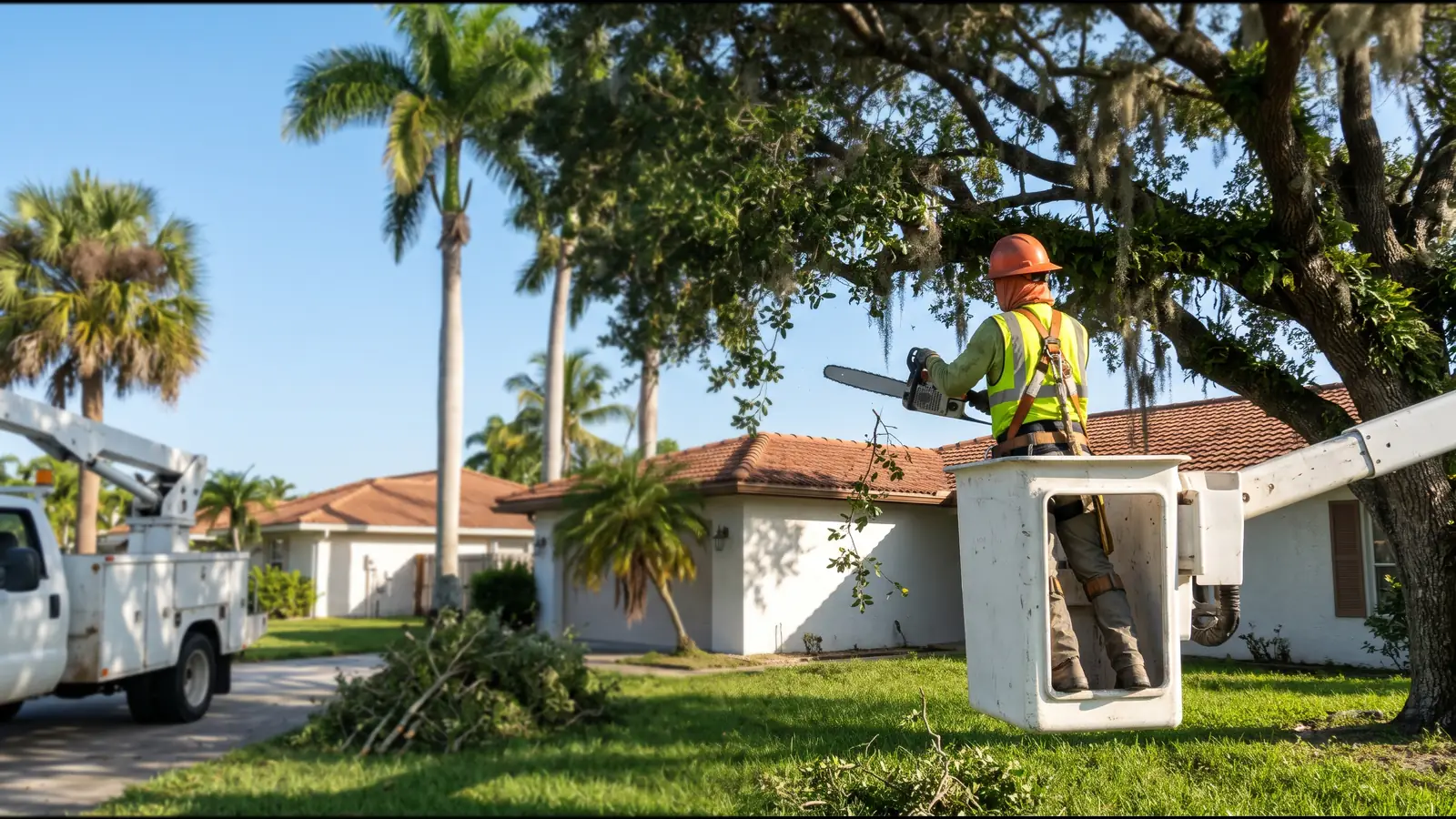
Tree Risk Assessment Types, From a Quick Look to a Full Report
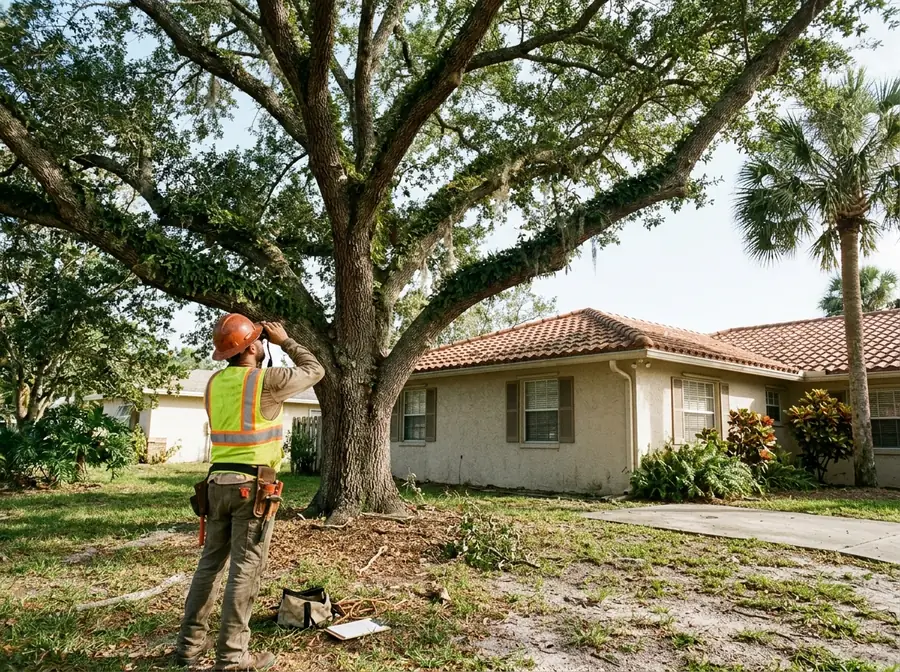
Visual Risk Assessments
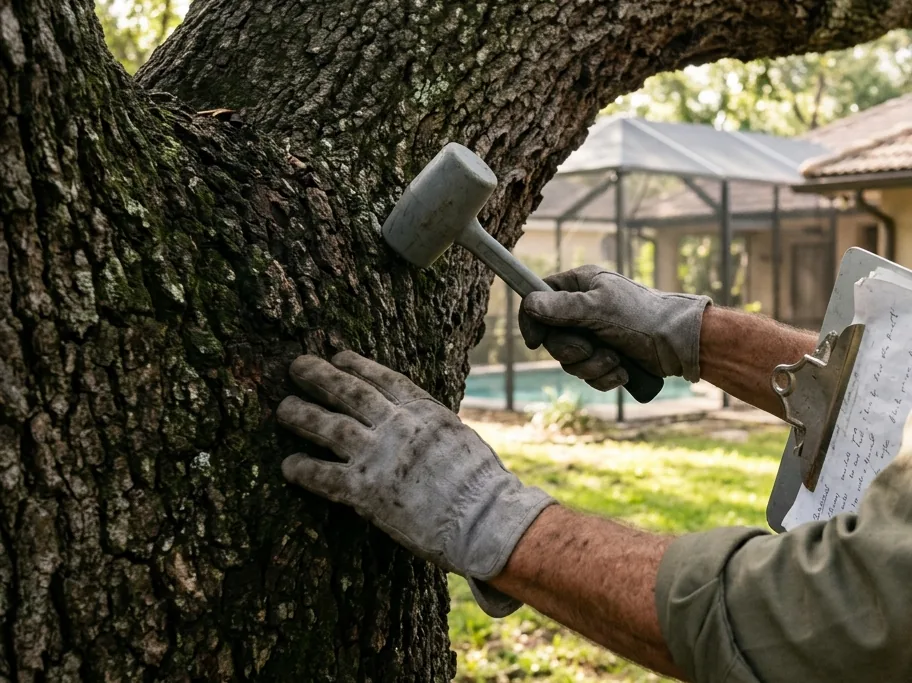
ISA's tree risk assessment guidelines describe a limited visual check, a fast look from one side for serious defects, and a basic assessment, where the arborist walks all the way around the tree and may use a probe, a mallet or binoculars. UF/IFAS lists the defects a basic check looks for:
- Dead and hanging branches. A broken limb can drop on a calm day, not only in a storm.
- Codominant stems. Two trunks of similar size meeting in a tight V, often with bark pinched between them.
- Decay and cavities. Conks and other fungal growth on the trunk or at the base.
- Leans. A lean that keeps getting worse, or soil heaving up on one side, calls for an arborist right away.
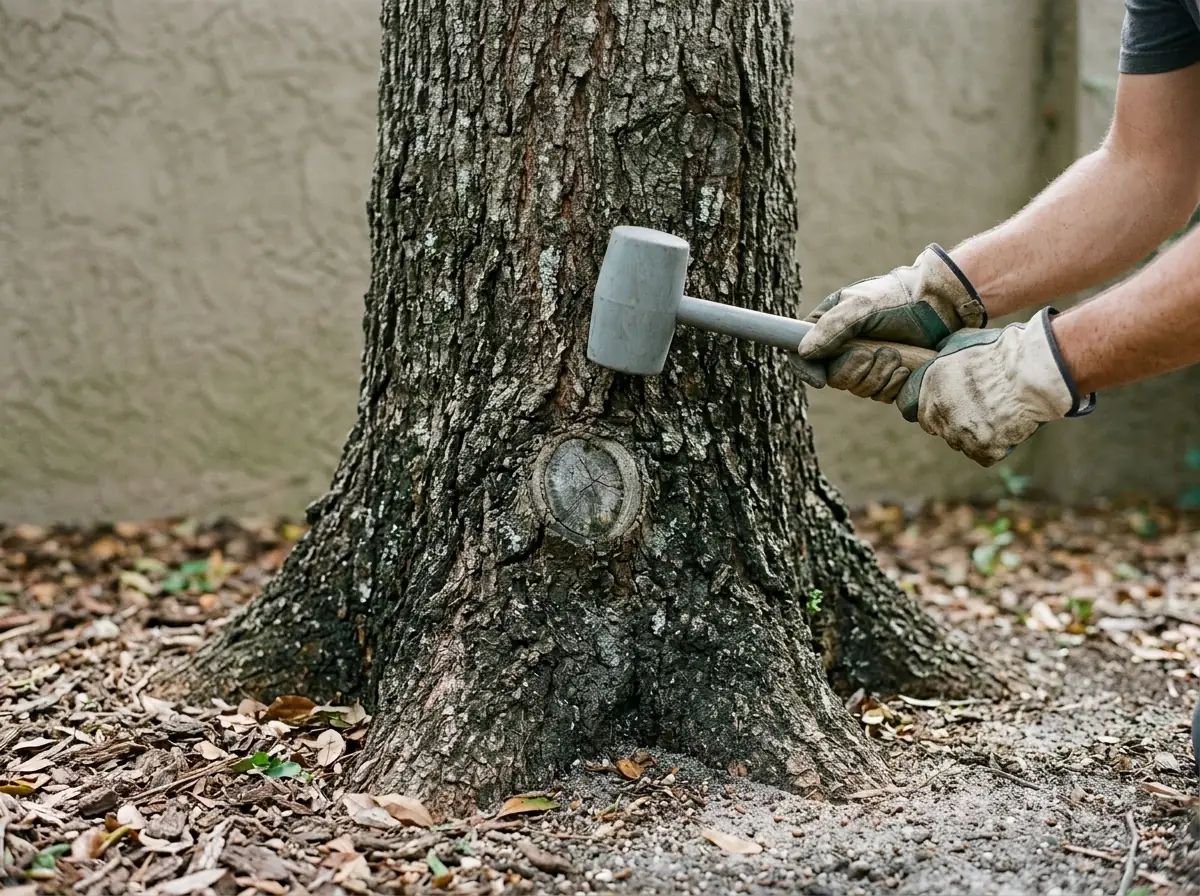
Advanced Assessments: Sounding and Decay Testing
When a basic check can't settle the question, the next level looks inside the wood. Published research on the three levels names two common decay tests, a resistance-recording drill and sonic tomography, and counts an aerial inspection from a lift or a climb as advanced too. Each step up takes more time, training and equipment, so the advanced level earns its price on a big tree over a house, where the result decides between keeping it and taking it down.
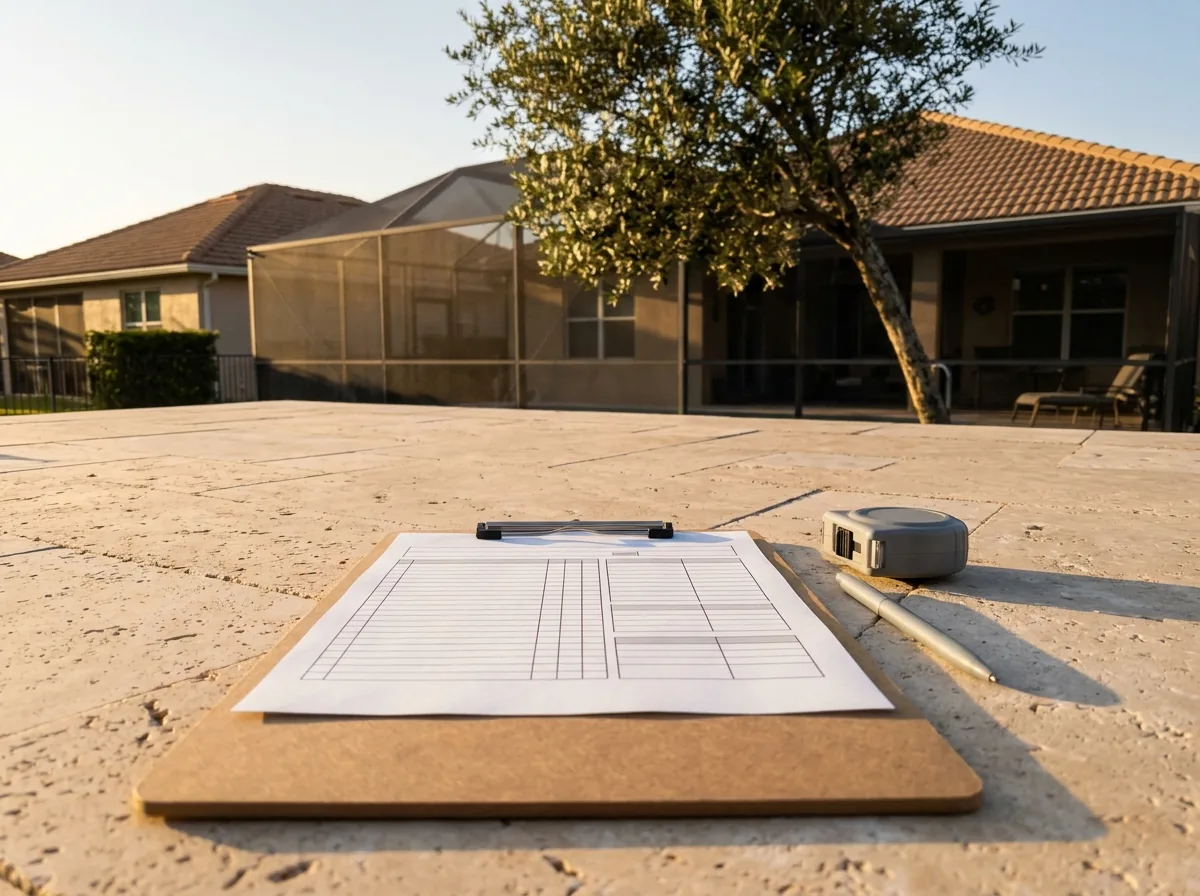
Arborist Letters for Dangerous Trees
ISA's method rates risk as low, moderate, high or extreme by weighing how likely a failure is, how likely it is to hit something, and how bad the damage would be. Florida's letter rule ties directly to that scale: the tree has to be one where removal is the only practical way to bring the risk below moderate. Ask for a letter that names the method used, what the tree would hit and the rating, with the arborist's signature.
Tree Health and Disease Checks
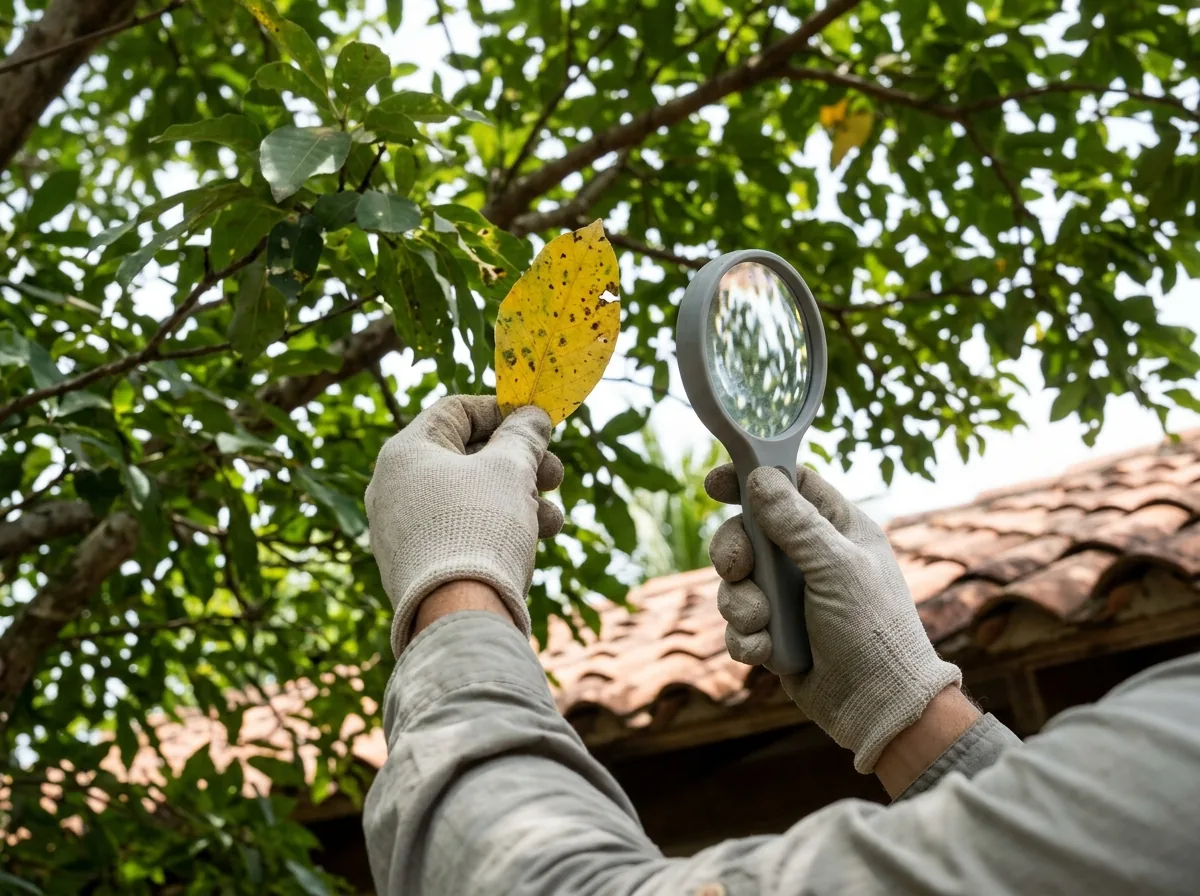
Thinning in the crown, branch dieback and mushrooms around the trunk can all point to trouble in the roots, which UF/IFAS says are hard to judge because soil and mulch hide them. A health check sorts a tree that needs care from one that needs to come out. For palms, the two diseases that end in removal have their own page: see palm tree disease treatment.
Why Pompano Beach homeowners call Pompano Beach Tree Care
- One independent local tree crew per request
- Price, cleanup and haul-away in writing first
- Ask for insurance proof and an ISA arborist
- Free to call; you pay the crew only for work you OK
Florida's Dangerous-Tree Exemption and the Arborist Letter
Florida Statute 163.045 bars local governments from requiring a notice, application, permit, fee or mitigation to prune, trim or remove a tree on residential property when the owner holds documentation from an ISA Certified Arborist or a Florida licensed landscape architect that the tree poses an unacceptable risk. The City can't make you replant, either. Pompano Beach wrote the same exemption into its own tree code.
Who qualifies
A single-family detached home on a lot actively used as one. Condos, apartments and commercial sites don't.What "unacceptable" means
Removal has to be the only practical way to get the risk below moderate, judged by ISA's Best Management Practices for Tree Risk Assessment, Second Edition (2017).Where it matters most
Owner-occupied single-family lots already skip the City permit for most trees. The letter pays for itself on a specimen tree (18 inches or more across and healthy) or a historical tree, which would otherwise need a permit and replacement.What it doesn't cover
Mangroves sit under their own state law. See mangrove trimming.
What a Tree Risk Assessment Costs, and What to Ask
HomeGuide puts a single-tree report at $150 to $450 and a report covering several trees at $300 to $700. Arborists who bill by the hour charge roughly $100 to $250. Forbes gives an average report price of $450, and Angi budgets about $860 when a permit application requires one, so the figure climbs as the paperwork does.
Credentials
Ask whether the person signing is an ISA Certified Arborist, and whether they hold the ISA Tree Risk Assessment Qualification.Level
Ask which level of assessment you're paying for, and what would trigger an advanced one.Paper
Ask for the rating in writing, with the target and the recommended fix, whether that's pruning, a cable or removal.Responsibility
UF/IFAS puts tree safety on the landowner, so keep the report with your property records.
See tree removal when the report says the tree has to come down.